Offering mobile services within essex / hertfordshire and some North London areas
Electrotherapy
TENS (Transcutaneous Electrical Nerve Stimulation).
Primarily used for pain management. It works by delivering gentle electrical impulses through the skin to stimulate nerves, helping to reduce pain signals and encourage the release of natural pain-relieving endorphins.
How TENS helps:
- Reduces acute and chronic pain
- Helps manage conditions such as arthritis and muscle soreness
- Improves comfort during rehabilitation and recovery
- Can support movement by reducing pain-related restriction
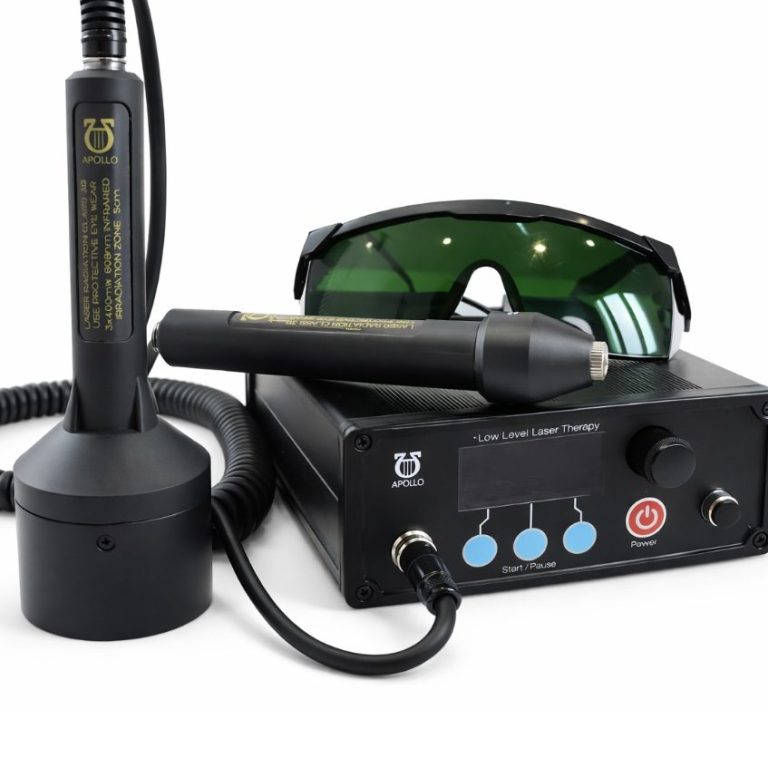
Laser Therapy
Laser therapy uses light energy to stimulate cells and promote tissue healing and inflammation reduction. It is commonly used for soft tissue injuries, joint conditions, and post-surgical recovery.
How laser therapy helps:
- Encourages tissue repair and wound healing
- Reduces inflammation and swelling
- Supports joint and soft tissue health
- Aids recovery following injury or surgery
Manual Therapy
Massage
Focuses on the soft tissues to reduce muscle tension, improve circulation, and promote relaxation. It can help relieve discomfort caused by overuse, injury, or compensatory movement patterns.
Benefits include:
- Reduced muscle tightness and soreness
- Improved blood flow and tissue health
- Increased comfort and relaxation
- Support for recovery following exercise, injury, or surgery
Stretching
Used to gently improve flexibility and restore normal movement while supporting healthy tissue healing. When introduced at the appropriate stage of recovery, stretching can help guide the alignment and organisation of healing muscle fibers, reducing stiffness and supporting functional movement.
Benefits include:
- Improved flexibility and joint range of motion
- Reduced muscle stiffness and tightness
- Support for balanced movement patterns
- Encouragement of healthy tissue adaptation during recovery
- Reduced risk of further strain or injury
Myofascial Release
Targets restrictions within the fascia—the connective tissue surrounding muscles and joints. These restrictions can contribute to pain, stiffness, and altered movement.
Benefits include:
- Reduced pain and tension
- Improved movement and posture
- Release of soft tissue restrictions
- Support for overall musculoskeletal balance
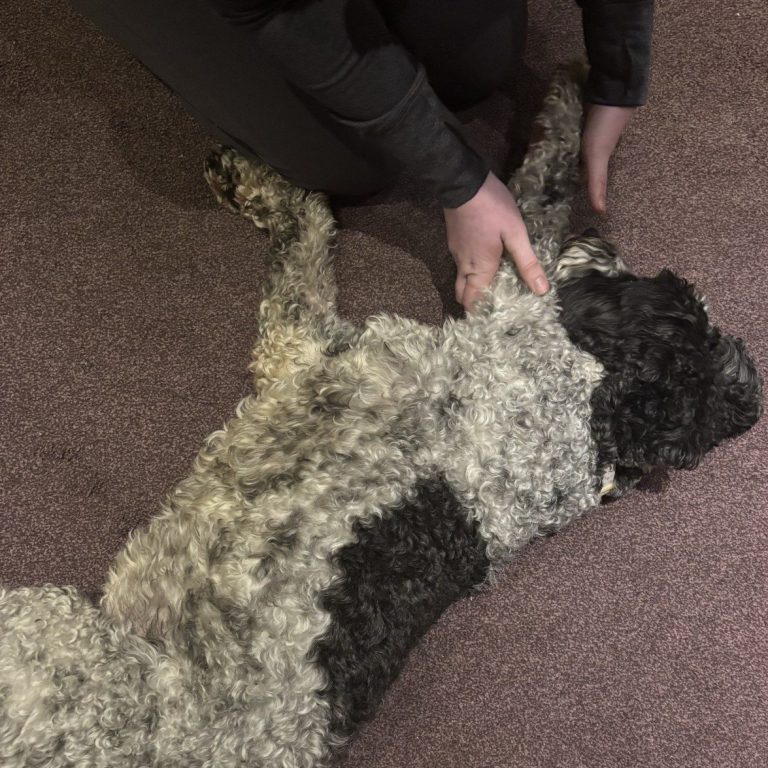
Passive Range of Motion (PROM)
Moving a joint through its natural range without the animal actively engaging the muscles.
Helps with:
- Maintaining joint health
- Reducing stiffness
- Early-stage post-operative recovery
Joint Mobilisation
Gentle, controlled movements applied to a joint to improve mobility and reduce stiffness.
Helps with:
- Reduced joint range of motion
- Arthritis and post-surgical stiffness
- Improving movement quality
Exercise prescription
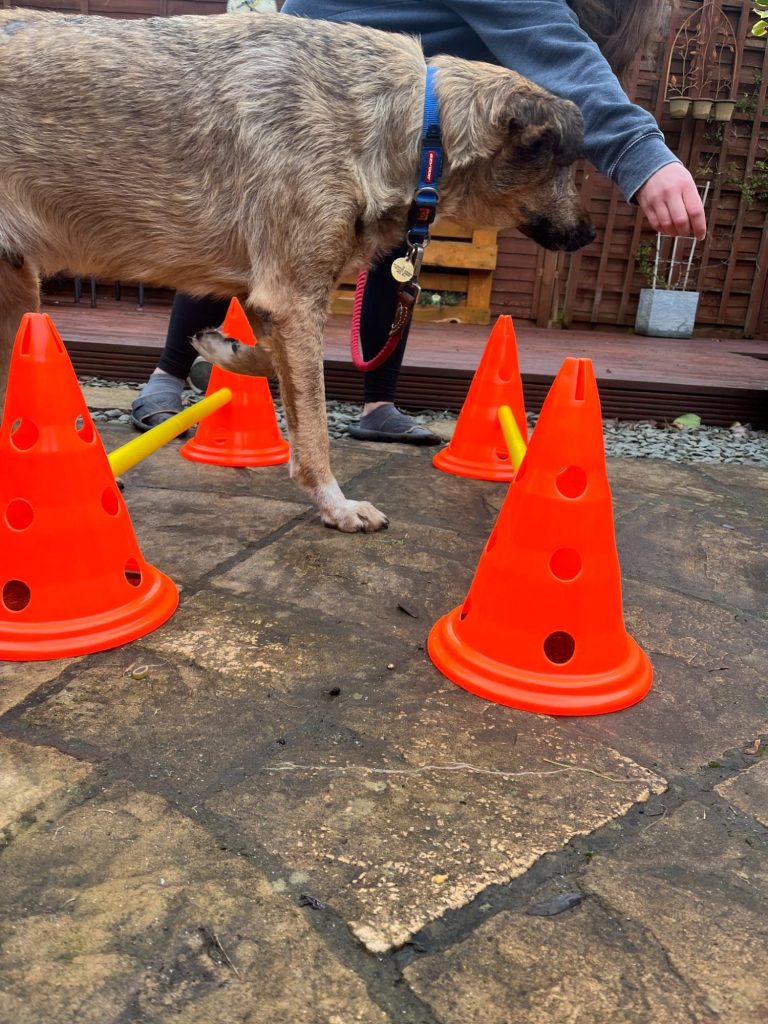
Involves the design of individualised, structured exercise programmes tailored to each animal’s specific condition, abilities, and stage of recovery. It is a key part of veterinary physiotherapy, supporting both rehabilitation and long-term musculoskeletal health.
Exercises are carefully selected to restore movement, rebuild strength, and improve stability, coordination, and balance, while ensuring the animal remains comfortable and safe throughout the process.
Exercise prescription is often used alongside manual therapy and electrotherapy as part of a multimodal physiotherapy approach, supporting long-term comfort, function, and quality of life.
A tailored exercise programme can:
- Improve muscle strength and endurance
- Support joint stability and mobility
- Address compensatory movement patterns
- Enhance balance and proprioception
- Support safe and effective recovery following injury or surgery
Exercise plans are progressed gradually and adapted as the animal improves, ensuring continued benefit without overloading healing tissues.